AAMA
Mercedes/Daimler
Porsche
Volkswagen
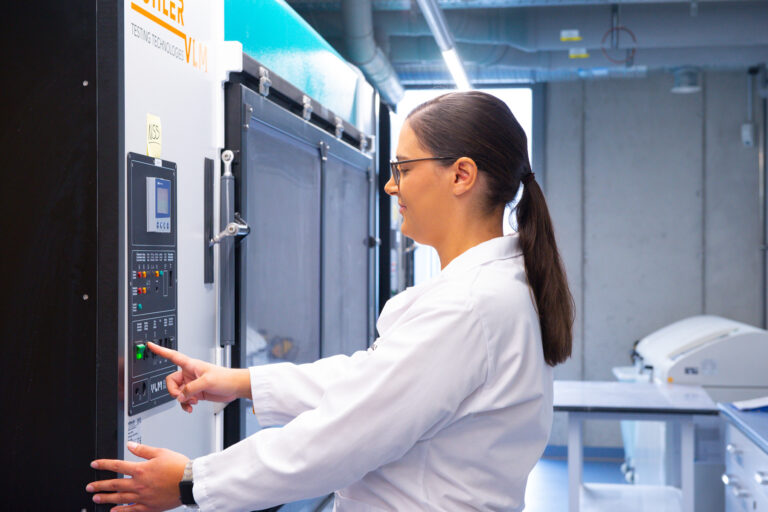
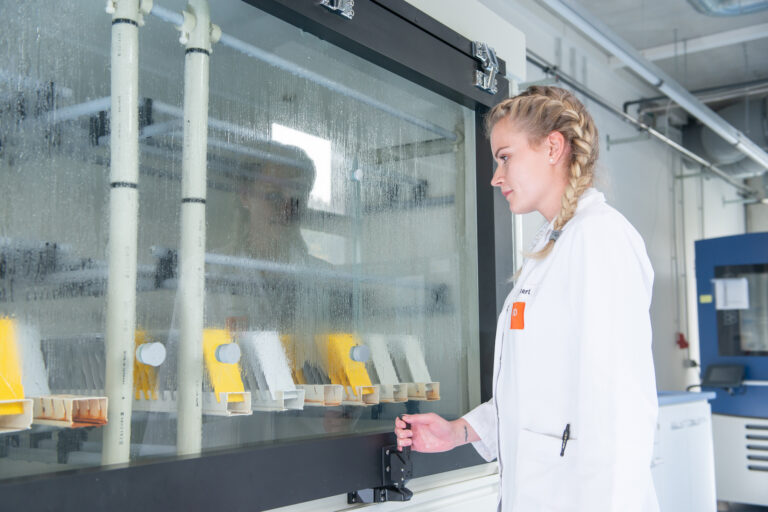
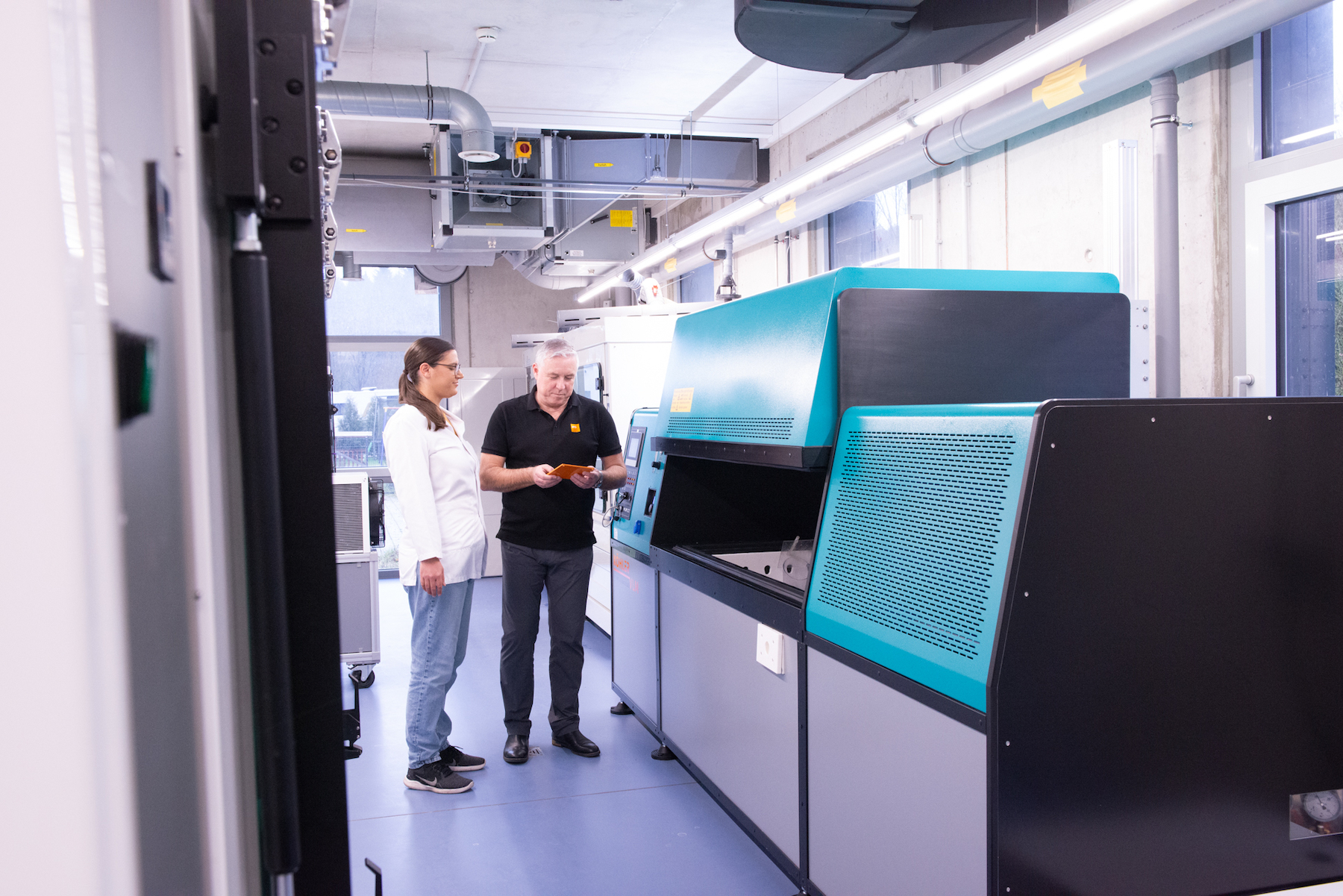
IFO GmbH has many years’ experience and expertise as an accredited laboratory service provider in the fields of surface technology and metalworking. We have sites in Germany, China and the United Arab Emirates. Our state-of-the-art climatic chamber enables us to carry out demanding climatic cycle tests in accordance with industry-standard OEM specifications.
The ACT test (Alternating Climate Test) is a tried-and-tested method for realistically simulating alternating climatic loads and is used to accelerate the assessment of the ageing behaviour of materials and components. In numerous sectors of industry – particularly the automotive, construction, aerospace and electrical engineering industries – the climatic resilience of materials and surfaces plays a crucial role.
A climatic cycling test enables the early detection of material changes and potential damage resulting from cyclic fluctuations in temperature and humidity. The combination of elevated temperature and humidity, together with optional freeze and dry phases, recreates conditions such as those encountered in real-world applications over a period of years – but within a much shorter timeframe.
We are happy to help you select suitable test methods and provide you with reliable support for your quality control.
Get some advice now, with no obligation 07171 / 10407-0
The aim of a climatic cyclic loading test is to assess, under realistic conditions, the long-term behaviour of components when subjected to alternating climatic stresses. Both the mechanical properties and visual changes – such as cracking, discolouration or delamination – are recorded.
Thanks to the targeted combination of wet-dry cycles and temperature fluctuations, a climatic cycling test enables accelerated ageing testing – without the need to use corrosive media, as is the case with a cyclic corrosion test (CCT test). It is therefore particularly suitable for the preliminary assessment of climatic resistance prior to market launch or for quality assurance of production components.
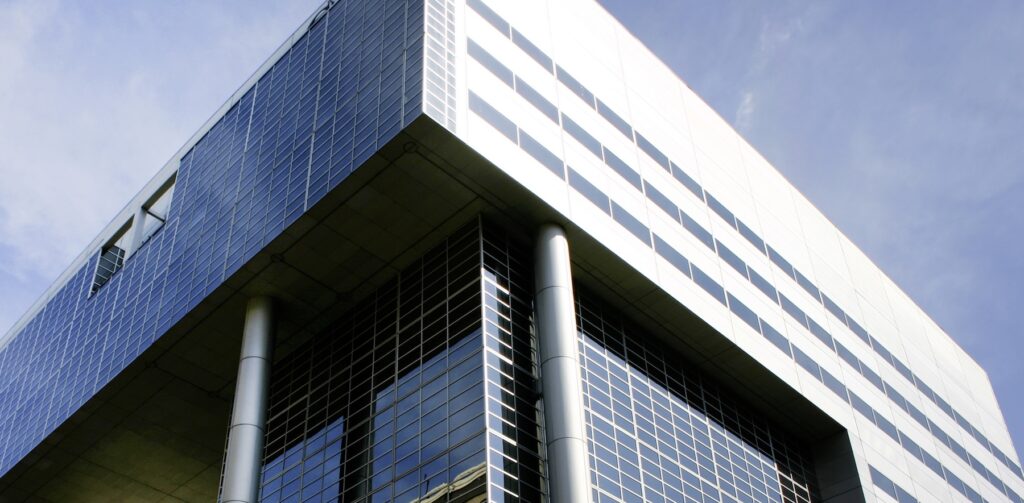
The test comprises a recurring (cyclical) progression of different temperature and humidity values in order to simulate realistic environmental conditions. The sample is tested for visual changes (change in colour and gloss), damage (cracking and blistering) or dimensional stability.
We carry out climate change tests in accordance with current OEM and manufacturer standards, including, amongst others:
BMW: PR 303.5; Mercedes-Benz: DBL 5416; Porsche: PTL 8140; Volkswagen: PV 1200, PV 2005-A
In addition, we meet the requirements set out in overarching specifications such as:
AAMA 611; DBL 7381; PTL 5536; PTL 5538; TL 211; TL 226; TL 52451
Among other things, these standards define test profiles with specific temperature and humidity profiles, the number of cycles, and evaluation criteria – such as changes in gloss, colour or dimensional stability. Our test chamber allows for flexible configuration of the climatic change profiles, thereby ensuring that customer specifications and standard requirements are met precisely.
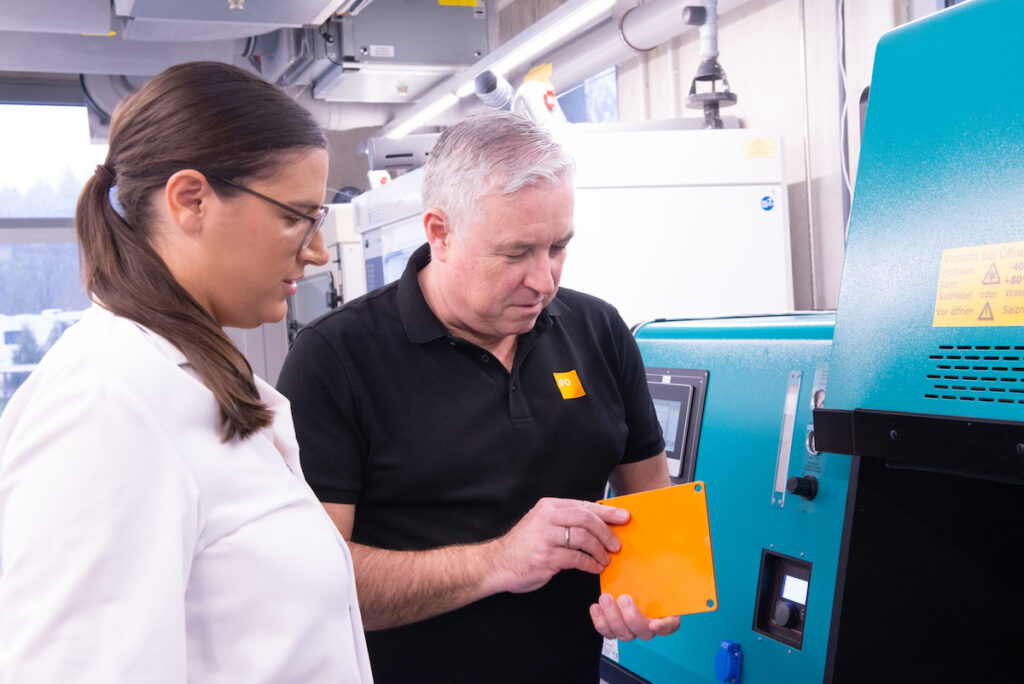
The test cycles used can last several days or weeks – with several cycles per 24-hour period.
As a specialist laboratory service provider, we offer you not only testing services but also expertise. We can advise you on the selection of standards, testing strategies and suitable methods of analysis.
Once the climatic stress test has been completed, we will evaluate your samples in accordance with the relevant specifications. Commonly carried out evaluations include:
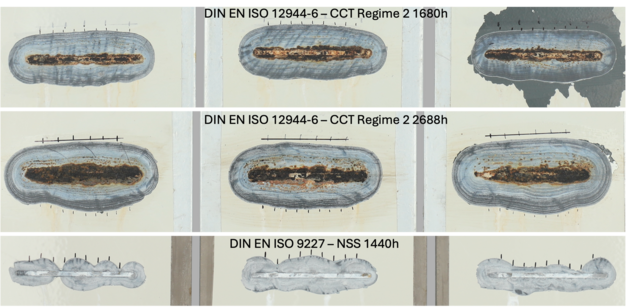
Whilst the ACT test primarily simulates temperature and humidity stresses without the use of salt solution or corrosive media, the CCT test (Cyclic Corrosion Test) also involves aggressive environmental conditions such as salt spray, SO₂ or acid rain.
The ACT test is therefore particularly suitable for:
By contrast, the CCT test is ideal for assessing the corrosion resistance of metallic components – and, depending on the objective, the two methods can also be combined.
We support you with reliable testing technology and cross-sector experience. Ensure the quality and environmental durability of your products – with our state-of-the-art cyclic climate chamber and standard-compliant testing processes.
Get a free consultation now at 07171 / 10407-0