
Otherwise, you won’t know whether your corrosion protection will hold up until it’s put to the test in the field – and that’s when it gets expensive. With cyclic corrosion testing, you’ll know in advance: you can identify weak points in the coating system before components go into mass production, and you’ll have the evidence your client requires for approval.
Corrosion is one of the greatest challenges facing metallic components in industrial applications. Particularly in the automotive industry, but also in sectors such as construction, agricultural machinery, aviation and mechanical engineering, the reliable assessment of corrosion behaviour is essential for the safety, functionality and longevity of components.
The Cyclic Corrosion Test (CCT test) – also known as cyclic corrosion testing – is a practical method for the accelerated simulation of corrosion processes. Unlike simple salt spray tests, the CCT test combines corrosive atmospheres with varying climatic conditions, thereby providing a significantly more realistic test environment for material systems.
With our high-performance, CCT-compatible corrosion test chambers, we enable tests in accordance with the following standards: VDA 621-415, DIN EN ISO 119971-1 (Cycle B), DIN EN ISO 60068-2-52, VW PV 1209, VW PV 1210 and many other OEM specifications – reliably, reproducibly and tailored to your specific requirements.

The CCT test (Cyclic Corrosion Test) is a standardised cyclic corrosion test in which test specimens are repeatedly subjected to alternating phases of salt spray exposure, condensation, drying, and exposure to heat and cold.
The aim is to simulate corrosive damage under conditions that are as close to reality as possible, such as those encountered in road traffic, offshore environments or industrial atmospheres.
This combination of chemical and climatic stress factors makes the CCT test a preferred testing method in the field of OEM approval for automotive components. Manufacturers and suppliers use cyclic corrosion testing in particular to qualify and compare corrosion protection systems, coatings and fasteners.
Compared with the standard salt spray test in accordance with DIN EN ISO 9227, the CCT test goes significantly further: the cyclical sequence of different phases simulates natural exposure more realistically. Typical test cycles include:
01
02
03
04
05
Depending on the test standard, these sequences can last from a few hours to several days per cycle and may be repeated over a total test duration of several hundred hours. This sequence simulates the combined corrosion stress encountered during the actual use of vehicle components or metal structures.
Depending on the test standard, these sequences can last from a few hours to several days per cycle and may be repeated over a total test duration of several hundred hours. This sequence simulates the combined corrosion stress encountered during the actual use of vehicle components or metal structures.

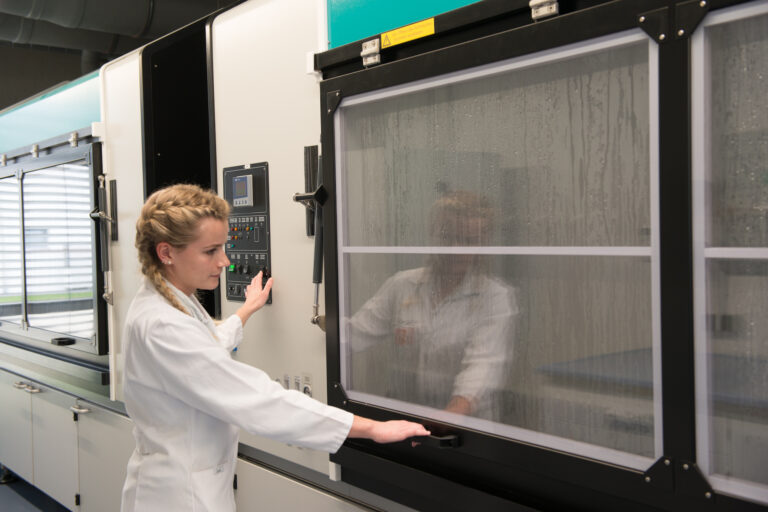
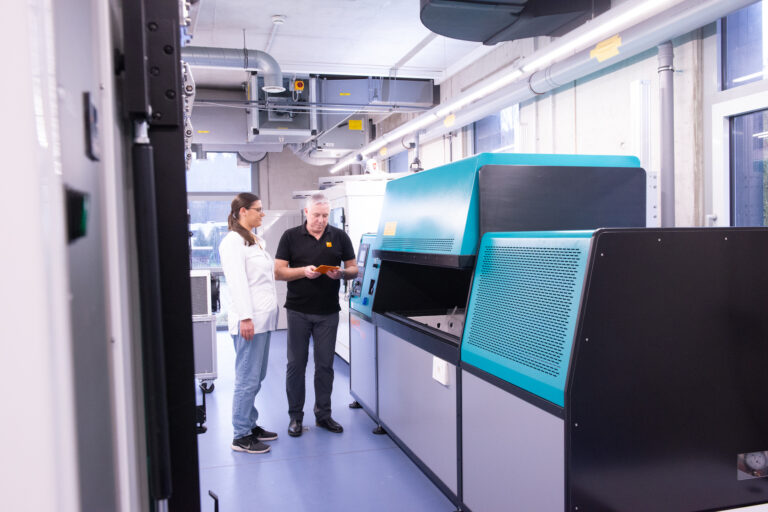
Our test laboratory is equipped with state-of-the-art climatic chambers for cyclic corrosion testing. These enable precise control of all test phases, including:
Our technology also enables combination tests, in which, for example, CCT can be combined with additional UV exposure or mechanical stress. We would be happy to advise you on selecting suitable test programmes for your application.
We carry out the CCT test in accordance with all current international standards as well as manufacturer-specific requirements – a complete overview can be found on the left under ‘Test Standards’ and ‘Works Standards’. These include, amongst others, DIN EN ISO 11997-1 (Cycle B), DIN EN ISO 12944, DIN EN ISO 60068-2-52, VDA 621-415, VW PV 1209 and VW PV 1210, as well as manufacturer’s standards from BMW, Volkswagen, Mercedes-Benz/Daimler, Caterpillar and AAMA.
Thanks to our experience in dealing with manufacturer-specific requirements, we are the right partner for CCT testing as part of OEM approvals.
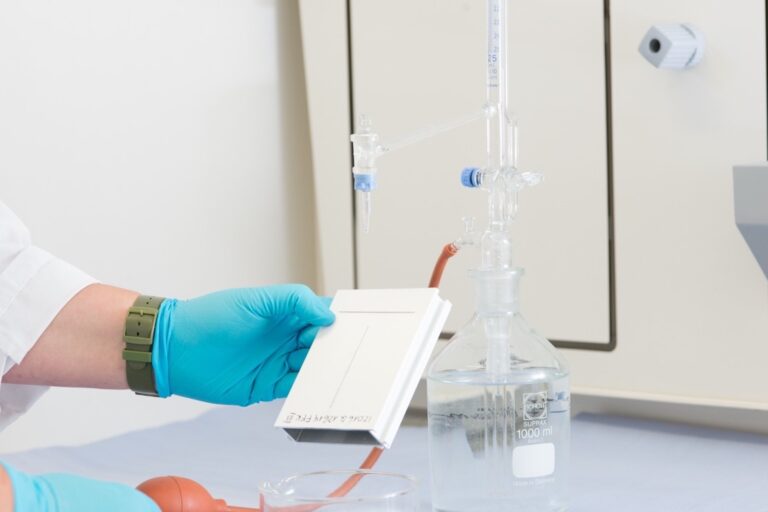
Once the cyclic corrosion test has been completed, a comprehensive assessment of the test specimens is carried out. Depending on the material and the relevant standard, the following methods, amongst others, are used:
Bubbling, degree of rusting, delamination
Quantification of material removal
Before-and-after comparison of the coating
Detailed analysis of damage patterns
The results are recorded in a documented test report and are available as a basis for approvals, comparative studies or development tests.
01
Please describe the component, the relevant standard and the quantity required – simply using the form or by telephone. You can easily send any supporting documents, such as drawings, along with your enquiry.
02
You will usually receive a personalised quote within one working day, setting out a firm timeframe and transparent costs.
03
Your test samples will undergo standard-compliant CCT cycles in our climatic chambers – with interim assessments and status updates provided on request.
04
You will receive the accredited test report as a recognised basis for OEM approval, series production approval or your own development work.
As an experienced B2B service provider specialising in corrosion and climatic testing, we support companies in the automotive, mechanical engineering and coatings sectors with the development and qualification of corrosion-protected components.
With our range of standard-compliant CCT tests, bespoke testing advice and flexible testing capacity, we offer you a one-stop solution:
Depending on the test standard, a cycle can last from a few hours to several days; the total test duration is typically several hundred hours. We will provide you with a firm timeframe in advance.
The salt spray test subjects the test specimen to a constant exposure to salt spray. The CCT test combines salt spray phases with varying climatic conditions and simulates real-world conditions much more realistically – which is why OEM standards predominantly require cyclic testing.
Our test chambers test small and large components up to 2 metres in length – from fasteners to complete assemblies.
Yes. The IFO is accredited to DIN EN ISO/IEC 17025; our test reports are recognised as the basis for OEM approvals and series production approvals.
The costs depend on the test standard, the number of cycles and the number of samples. Once we have received your enquiry, we will send you a personalised quotation at short notice – usually within one working day.